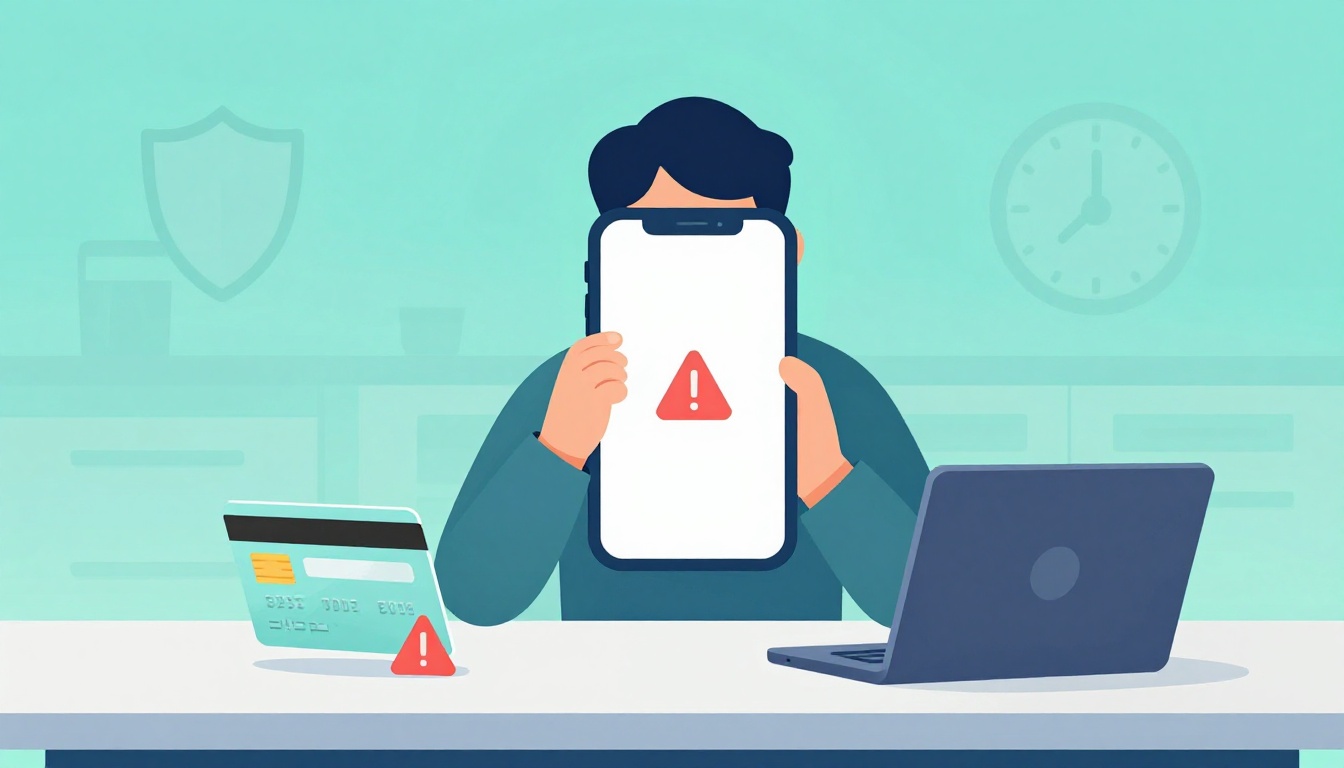
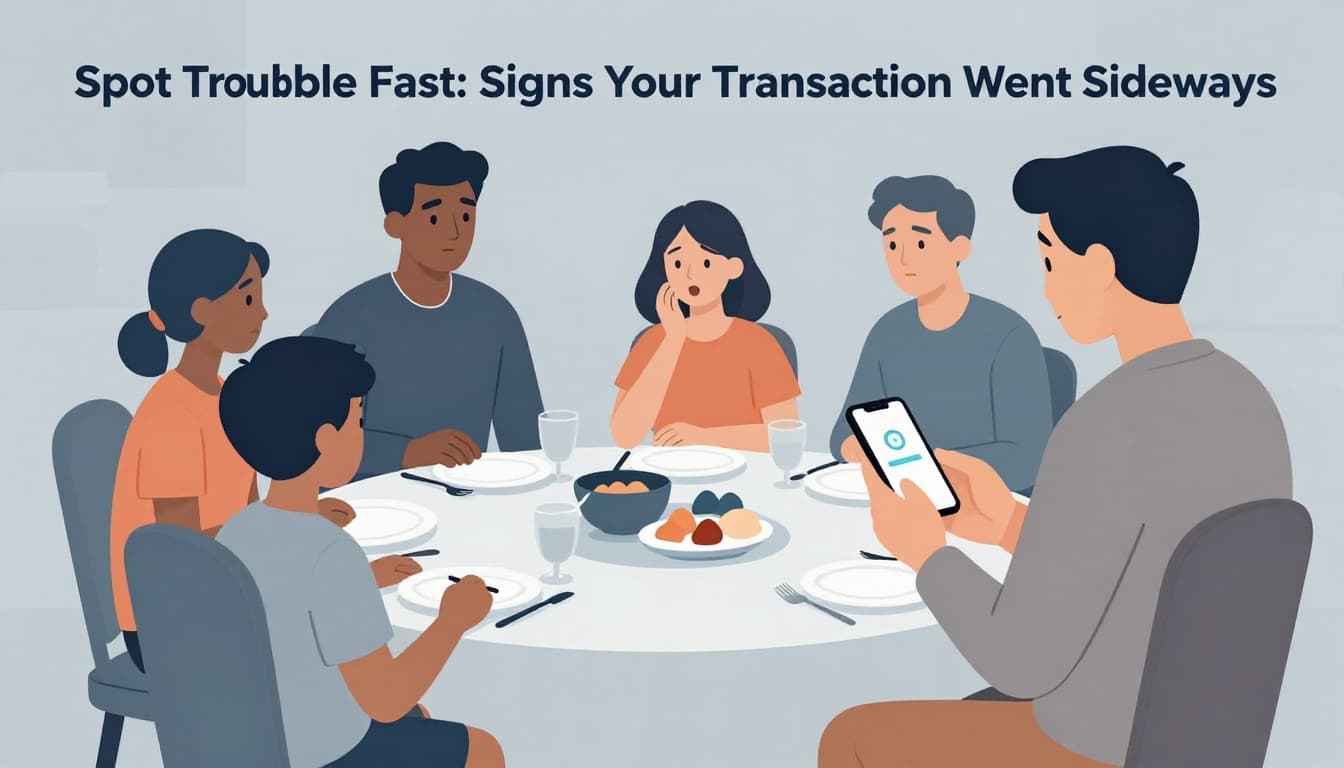
You notice it during dinner. Someone sent a “small” charge, then another, and your bank app won’t stop buzzing. Panic hits first, then you start wondering how this could happen so fast.
Wrong transactions happen for lots of reasons, from simple mix-ups to real scams. The good news is that US consumer protections can limit your losses to $0 or about $50 if you move quickly, especially under EFTA (Reg E) for debit and electronic transfers, and FCBA for credit card billing errors.
If you want a clear plan, here it is. Follow the steps below and match your actions to the type of payment you used.
Spot Trouble Fast: Signs Your Transaction Went Sideways
Most people don’t find a problem by accident. They catch it when something feels off. Maybe it’s a charge from a place you’ve never used. Or maybe the amount looks “close enough” to ignore, but not quite right.
Here are red flags to take seriously right away:
- Unknown merchant or odd location on a charge or transfer
- Wrong amount (too high, missing part, or repeated charge)
- Strange timing, like an urgent transfer request at night
- Pressure to act fast, especially for wires and ACH
- Account changes you didn’t make (new recipient, new phone number, new email)
Scams often look like normal money movement at first. A common pattern is a “credit-push” scam, where fraudsters trick you into sending money instead of just stealing your account quietly. In 2026, fraud monitoring rules get stricter for banks and businesses handling ACH. For example, Nacha’s 2026 risk management updates start rolling in, including a major phase on March 20, 2026. You can review the changes here: New Nacha Risk Management Rules Now in Effect.
That also means you may see better alerts from your bank. Still, alerts are not magic. They help, but you still need to verify what happened.
A simple habit makes a big difference: check your accounts daily (or at least every other day). Then turn on transaction alerts for any transfer over $1. Even small charges can be scam testing, and catching them early gives you more options.
If your issue fits the red flags above, don’t wait for “tomorrow.” Wrong transactions need action now, not after the weekend.
Stop the Bleeding: Your Immediate Action Plan
Your first move should be the same as stopping water from spreading. Call, report, and document. The goal is to cut the damage before more money moves.
Start with these universal steps:
- Contact your bank, card issuer, or payment app fast (many protections depend on how quickly you report).
- Save proof: screenshots, confirmation emails, receipts, and transaction IDs.
- Freeze access if fraud seems likely (at minimum, block the card, disable online access, or freeze the account in the app).
- Ask for a case number so you can track updates.
If the loss is large, like over $500, consider filing a police report too. It doesn’t always “recover” funds instantly, but it creates a record that can help with disputes and follow-up.
Here’s a step-by-step script you can follow, even if you’re stressed.
- Gather details
- Date and time of the transaction
- Amount
- Merchant or recipient name
- Any emails or messages you received
- Whether you authorized it (and how)
- Call support immediately
- For bank transfers and debit issues, ask about EFTA/Reg E error handling.
- For cards, ask about dispute/charge review for billing errors or unauthorized use.
- Get the case number
- Write it down.
- Ask when they expect to respond.
- Confirm what happens next.
Under EFTA (Reg E), your max loss for unauthorized electronic fund transfers can be limited based on how fast you notify your bank. The liability rules are laid out here: 1005.6 Liability of consumer for unauthorized transfers. In plain terms, faster reporting usually means lower risk.
One more gotcha: don’t argue with the fraudster if you’re dealing with a scam message. Keep your focus on reporting, not “winning” the conversation.
Fix It by Payment Type: Bank, Card, or App Specifics
A transaction doesn’t fail the same way across payment types. The best next step depends on where the money came from and how it moved.
Here’s a quick mental model:
- Bank transfers / ACH: you’re trying to stop or reverse electronic movement.
- Credit cards: you’re disputing a billing error with defined timelines.
- Payment apps (like Venmo): you’re using the app’s dispute system, plus any legal protections that apply to the funding source.
Bank Transfers and ACH Errors
For unauthorized transfers from your checking account (including many ACH moves), act like time matters, because it does.
Start by calling your bank and asking for one of these options:
- Stop payment (sometimes possible for pending ACH activity)
- Reverse or recover the transfer
- File an error claim under EFTA/Reg E
If the money hasn’t fully completed, your bank may have a chance to stop it. If it already moved, the dispute process still matters. Under EFTA error resolution, banks investigate within set time limits. Also, they may provide a temporary credit while they investigate in some situations.
One caution: ACH scams can be harder to reverse than card disputes. Fraudsters often target the “credit-push” model, so you need to report fast and follow through with documentation.
Also, after you report, protect the account used for the transfer. For example, if you suspect account takeover, your bank may advise a password reset, device changes, or additional authentication.
Tip: if you set up a new recipient, verify it again before you do anything else. Sometimes the “wrong transaction” is actually a wrong beneficiary you confirmed earlier.
Unauthorized Credit Card Charges
Credit card problems usually get handled through a billing dispute process, and the timeline can be more forgiving than it feels in the moment. Still, don’t delay.
What to do:
- Use your card app to submit a dispute if it’s available.
- If not, call the issuer and request the dispute form or process.
- For unauthorized charges, ask them to mark the claim as fraud or unauthorized activity.
The key point is timing. Most disputes must be reported within a set window after the charge appears on your statement. The CFPB explains the basics for credit card disputes here: How do I dispute a charge on my credit card bill?.
Here’s an easy way to decide what you’re dealing with:
- Fraud means someone used your card data without permission.
- Billing errors can include wrong amounts, duplicate charges, charges for returned items, or services not delivered as agreed.
If you don’t know which category fits, choose the option that matches your facts. Support reps can often clarify what category your case falls under.
Digital Wallet Mishaps with PayPal or Venmo
Apps can be convenient, but disputes depend on how the funds moved.
For Venmo, use the app’s dispute tools and stick to their timeframes. Venmo lists dispute filing time limits in their help center: Dispute Filing Timeframes | Venmo. If you miss the window, you might lose some options.
For PayPal, the process is also usually in-app through the resolution or dispute center. The safest approach is to check the app right away and open a case before you spend time trying to “solve it” with the other party.
One important limit: many apps do not cover “friend transfers” the same way they cover purchases. If you sent money to a person you thought you knew, treat it like a serious fraud report anyway. Then also contact your funding source (the linked bank or card) because separate protections may apply.
Finally, set up security:
- Turn on 2FA (two-factor authentication)
- Enable transaction alerts
- Don’t click links from unexpected messages
Dispute Smart and Use Your Legal Shields
When you dispute, you’re not just asking for a refund. You’re starting a formal error or charge resolution process.
The best approach is usually:
- Contact the merchant first when the issue is a billing problem (like a service not delivered).
- Use your financial institution’s dispute channel if the merchant won’t fix it or the funds moved through a payment network.
- Escalate if you hit a wall.
What counts as a “billing error” versus fraud matters. So keep your description clear and factual. Use dates, amounts, and what you expected to happen.
In the US, two federal frameworks matter most here:
- EFTA (Reg E) for many unauthorized electronic fund transfers from a bank account, with max loss limits that depend on when you notify your bank.
- FCBA for credit card billing errors, including many unauthorized charges.
Here’s a simple liability snapshot for unauthorized transfers and common credit card disputes.
| Type of transaction | Main law that may apply | If you report fast | If you report later |
|---|---|---|---|
| Unauthorized debit/electronic transfer from checking (EFTA/Reg E) | EFTA (Reg E) | Within 2 business days, up to $50 max loss | 3 to 60 days, up to $500 max loss, after 60 days risk can be unlimited |
| Unauthorized or incorrect credit card billing (FCBA) | FCBA | Typically requires dispute within the 60-day billing window shown on statements | If you miss key deadlines, you may lose protection |
Also, keep records. Save everything for at least two years if you can. Screenshots, emails, and case numbers help if you need escalation later.
If a company stops responding, you can escalate. The CFPB accepts complaints about many financial products and services. Here’s the submission page: Submit a complaint | Consumer Financial Protection Bureau.
Bottom line: speed and documentation drive outcomes. Don’t rely on a promise from a fraudster or an unresponsive merchant.
If the amount is smaller, consider small claims court as a last step. It’s not always the easiest route, but it’s an option when disputes stall and you have proof.
Lock It Down: Habits to Dodge Future Headaches
Prevention is boring until it saves you from a week of calls. Then it feels like a superpower.
Here are habits that cut risk, without needing tech skills:
- Check accounts daily (or at least enable “instant” alerts).
- Use strong passwords and change them when you suspect takeover.
- Turn on 2FA for every account that touches money.
- Avoid urgent wires or ACH requests, even if someone sounds legitimate.
- Question “helpers” who ask you to move money fast, even if they know your name.
For ACH specifically, the 2026 Nacha risk management work pushes more monitoring and better controls to detect fraud patterns earlier. That helps businesses and banks watch for suspicious activity across payment types, not only after damage occurs.
Gotcha to remember: once you confirm a credit-push transfer, recovery can be slow. Prevention and fast reporting matter.
Quick actions you can take this week:
- Enable alerts for new payees (not just big transfers).
- Set a rule: if someone asks for payment “right now,” pause and verify.
- Keep a note of your bank’s dispute and fraud phone number.
- For online purchases, prefer payment methods with clearer buyer protections and dispute paths.
It’s normal to think, “That won’t happen to me.” Scammers count on that thinking. A few small habits keep you in control.
Conclusion
That dinner-table shock is real, and it can feel overwhelming. Still, the fix starts with one thing: acting fast and reporting the issue to the right place.
Spot the signs early, contact your bank or issuer immediately, and follow the dispute process for your payment type. Then use your legal shields under EFTA (Reg E) and FCBA so your losses stay limited.
Before you move on, check your accounts today and set alerts if you haven’t already. If you’ve had a transaction go wrong, share what happened (and what worked) in the comments.