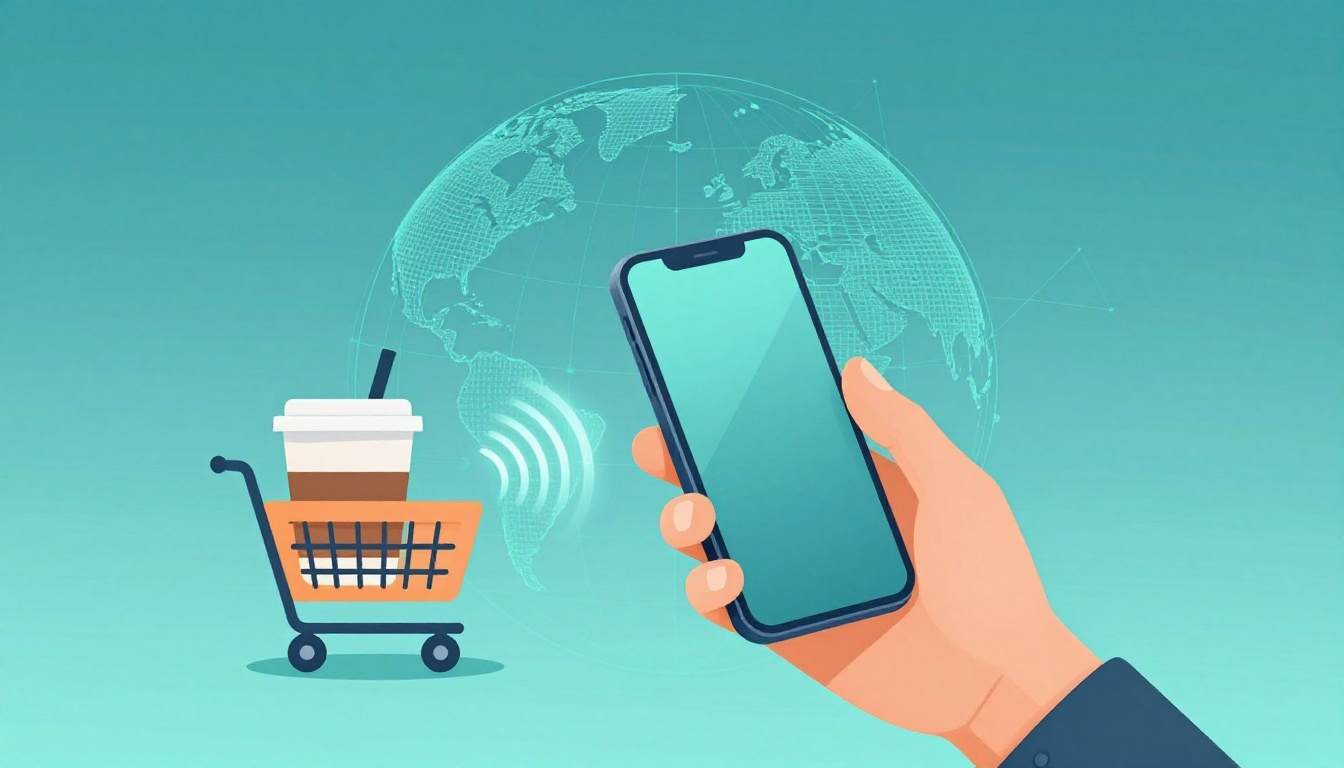
In 2026, about 5.2 billion people use digital wallets worldwide. That’s more than 60% of the planet. At the same time, half of global payments are shifting away from cash, with cards and digital options taking the lead.
So what’s driving this digital payments popularity? Most people aren’t switching because it sounds trendy. They switch because it’s easier, faster, and feels safer in day-to-day life.
You can pay for coffee with a tap. You can buy online with one checkout. And when you use a wallet, your phone can add layers of protection that cash never had. Even better, payment apps keep improving, partly because mobile tech keeps getting better.
Next, you’ll see the main reasons behind the shift: convenience, stronger security, the rise of mobile wallets, and new trends like AI and crypto that could make payments even more automatic.
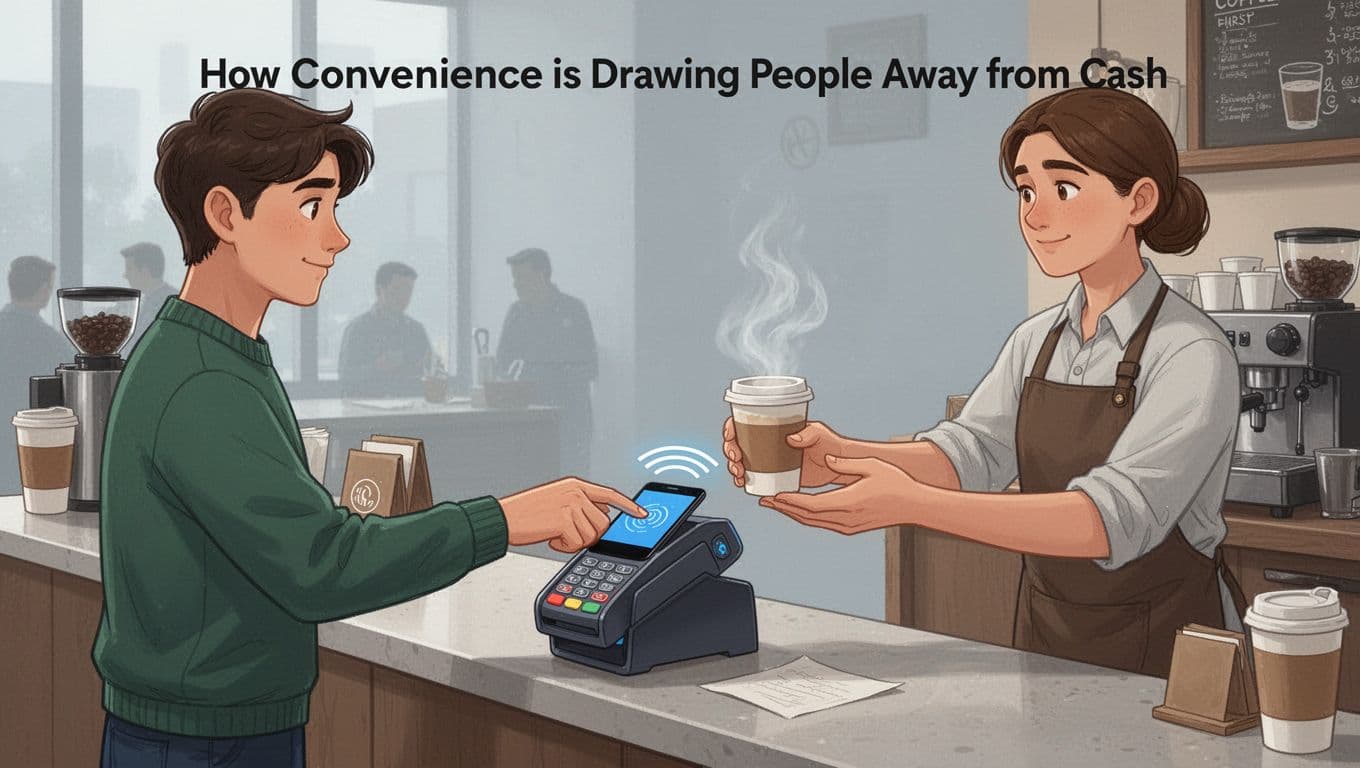
How Convenience is Drawing People Away from Cash
Cash is simple, but it also has friction. You need the right bills. You need exact change. And you often need to carry more than you planned.
Digital payments remove those little hassles. When you can tap-to-pay on your phone or card, paying feels more like closing the door behind you than digging through a pocket.
That’s why contactless is winning on small buys. Think coffee, snacks, or a quick ride. You don’t want to pause your day just to count money. You want to finish the moment, then keep moving.
Also, convenience now extends beyond the store. One-click checkouts cut down the steps you used to fight through on websites. As a result, fewer people abandon carts at the last second.
And for businesses, real-time payment options can help funds settle faster. That matters when cash flow affects staffing, inventory, and growth. If payments settle quicker, many merchants can plan with less stress.
Finally, when the “small stuff” goes digital, big shifts follow. Daily habits change first. Then those habits spill into bigger purchases over time.
For a helpful snapshot of what’s pushing adoption this year, see payment trends and stats for 2026.
One-Tap Payments Speed Up Everyday Shopping
A tap-to-pay moment is hard to beat. Contactless cards and phone wallets let you pay in seconds, and you don’t need to pull out cash or wave a card around.
Picture this: you’re at the grocery store, and your wallet is still at home. With a wallet app, you can still pay by tapping your phone near the reader. There’s no “hold on, I forgot my money” moment.
Even when you do carry a wallet, contactless reduces friction. You don’t dig for a specific card. You don’t check if you have enough change. You just pay and move.
That convenience also shows up in online shopping. Many sites store your payment method securely, so checkout takes fewer steps. In short, you spend less time repeating the same form fields.
The result is a smoother experience for buyers, and fewer payment failures for merchants. When payments work reliably, people trust the system more.
Buy Now Pay Later Options Make Spending Flexible
Cash gives you one choice: pay the full amount now. Digital payments add another option: split the cost.
Buy Now Pay Later (BNPL) keeps the purchase within reach. For example, you might spread a larger bill into scheduled payments instead of paying everything upfront. That can feel easier when budgets get tight.
BNPL also appeals because it’s often easy to understand. Many offers show payment dates clearly. Users know what they owe and when.
Still, BNPL works best when people treat it like a plan, not a loophole. If you miss payments, fees can stack up. Therefore, the convenience matters, but so does self-control.
The big picture is that flexibility lowers the “pain” of buying. Once buying feels less painful, more people use digital payment options in more situations.
Stronger Security Building Trust in Digital Wallets
Convenience gets people to try digital payments. Security is what keeps them using them.
With cash, you face obvious risks. Lose your wallet, and that money is gone. Get robbed, and you hand over the physical funds.
With cards and digital wallets, protections have improved. Today’s wallets use features like biometrics and tokenization, plus fraud monitoring based on behavior. That combination makes digital payments feel more controlled.
But “safer” doesn’t mean “risk-free.” Security tools reduce common risks, especially for card data theft. They also help detect suspicious activity sooner.
If you want a practical explanation of what wallets do behind the scenes, digital wallets and cashless perks explained is a simple starting point.
Biometrics and Tokens Keep Your Info Safe
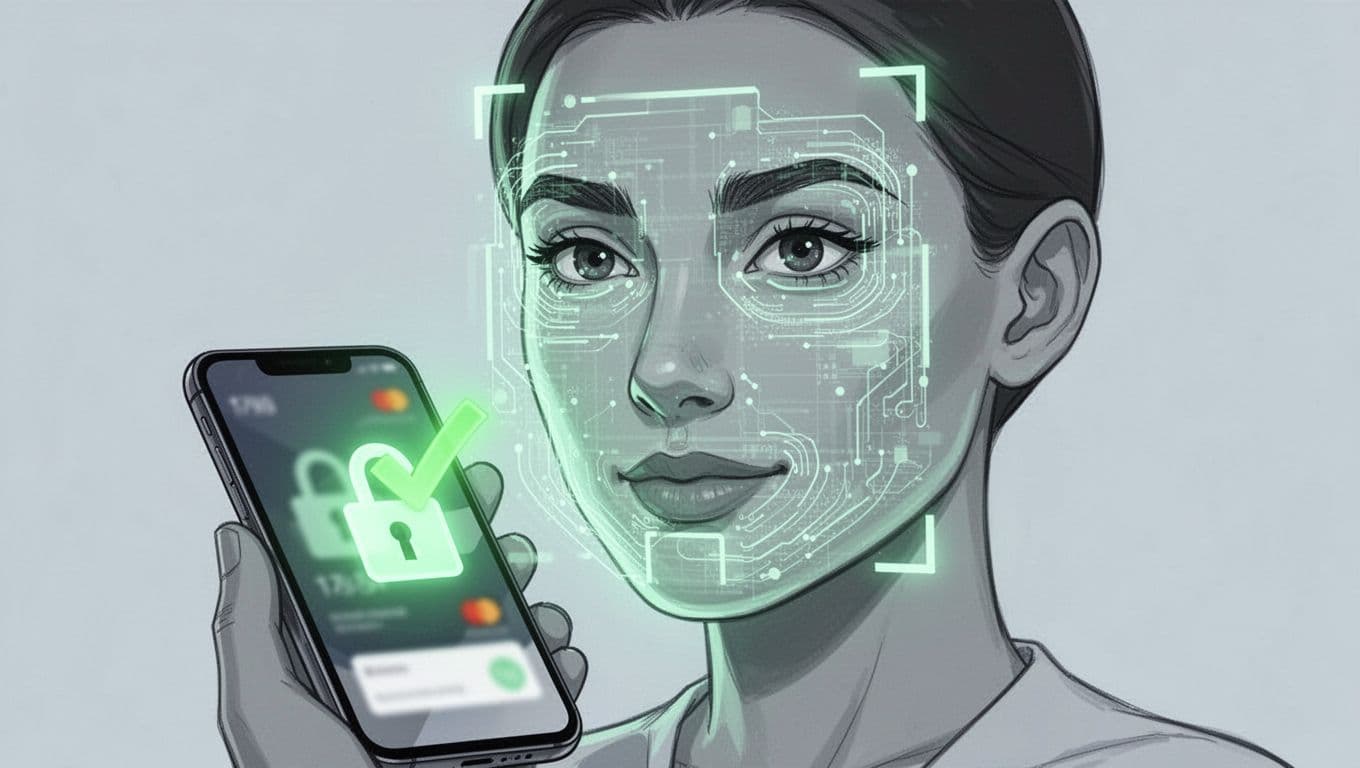
Many wallets now use biometrics. That can mean face scans, fingerprint checks, or other device-level verification. In practice, it means you can pay only after the phone confirms it’s you.
Instead of typing card details every time, wallets often use tokenization. In plain terms, tokenization swaps your real card number for a unique code. The merchant gets what they need to process payment, without seeing the real data.
That matters because stolen card numbers are less useful when payments don’t expose those numbers. Even better, wallets usually add controls that limit where and how a card can be used.
To see how biometric and contactless security trends are showing up in real use, read biometric wallets and secure payments.
Digital IDs Stop Fraud Before It Starts
Security is not only about payment screens. It’s also about identity checks.
Digital IDs can verify that a person is who they claim to be. In 2026, about 4.8 billion people will have digital ID cards. That’s a huge base for faster, more trusted checks.
Digital ID systems help with more than age verification. They can support quick identity proof for rentals, account setup, and verified access.
From a fraud perspective, verified identity can block some common attacks. If someone can’t pass identity checks, they can’t easily open payment accounts or complete risky transactions.
In other words, digital payments get stronger when identity checks improve. People may not notice the background work, but they feel the outcome: fewer failed logins, fewer suspicious alerts, and fewer “why was this blocked?” moments.
Mobile Wallets and Contactless Tech Leading the Charge
Phones make payments feel personal. That’s one reason mobile wallets keep growing.
In 2026, estimates put digital wallets at 5.2 billion users worldwide. Many people use wallets daily, not just for big purchases. When your phone becomes a payment tool, you stop thinking about “having cash” and start thinking about “having access.”
Contactless tech also helps. It turns checkout into a quick action instead of a small event. You tap once, and you’re done.
Another reason is that wallets often bundle extra features. Loyalty rewards can live inside the app. Some wallets show purchase history in one place. That turns payments into a tracker, not a chore.
Then there’s online shopping. Digital wallets already account for a large share of e-commerce value. In many markets, people use wallets for checkout because it feels familiar and safe.
For US-focused buyer behavior, US consumer payment method trends in 2026 offers a useful view of how habits are shifting.
Global Stats Showing the Massive Shift
The numbers explain why cash keeps losing ground. Here are a few 2026 signals that point to continued growth:
| 2026 metric | What it means |
|---|---|
| 5.2B digital wallet users worldwide | Most of the world now has access to wallet payments |
| 60%+ of global population | Wallet use is no longer a niche habit |
| 4.8B people with digital ID cards | Identity checks can become faster and more common |
| 53% of online purchases use wallets (share) | Wallet checkout is becoming the default online flow |
These figures also show something important. Adoption isn’t just about apps. It’s about infrastructure and trusted identity joining payment tools.
And when people can pay quickly with less stress, the habit spreads. First for coffee and rides, then for groceries and bills.
Emerging Trends Like AI and Crypto Fueling Even Faster Growth
Convenience and security are the present. AI and crypto are the accelerators people watch next.
AI is already showing up in how payments get recommended and approved. For example, AI can help detect fraud by spotting patterns that humans might miss. It can also help personalize offers based on real spending behavior.
Some systems also use AI to improve customer support during payment issues. When disputes happen, faster responses can reduce frustration.
Crypto, meanwhile, gets attention for cross-border value transfer. In some setups, payments can settle in minutes using stablecoins. That can matter when traditional cross-border processes take longer.
However, crypto use depends heavily on regulation and on what merchants accept. So for most people, crypto is not replacing everyday card payments yet. Instead, it’s changing how some global payments work behind the scenes.
AI Agents That Shop and Pay for You
Think of AI agents as smarter assistants, not magic robots.
If an agent knows your preferences, it can help you shop with fewer steps. It can also flag likely fraud patterns, based on device signals and transaction history. That can reduce “false declines” and speed up approvals.
In the future, more payment flows may become automated. For example, AI could help refill common items, schedule payments, or manage payment methods based on what’s cheapest or safest.
The key point is practical. AI can reduce time spent on routine shopping and payment tasks. When people value time, they value digital tools more.
Also, AI can support merchants. If businesses get fewer payment errors, they can improve conversion rates and customer experience. That keeps digital payments attractive for both sides.
For a business-focused view of where payments trends may head, check five payment trends in 2026.
Crypto Making Borders Disappear for Payments
Cross-border payments often face delays. Banks may require extra checks. Fees can be hard to predict. And timelines vary by country and network.
Crypto aims to simplify some of that, especially with stablecoins designed to track a fiat currency. In some cases, transfers can settle quickly compared with older rails.
This doesn’t mean crypto payments are perfect. Price volatility risk may still matter with some assets, and regulation differs widely.
Still, the direction is clear: more payment options are trying to make global transfers faster and more predictable.
For people who pay internationally, digital payment choices already matter. If crypto becomes easier to use legally and safely, it can pull more users into the digital payments world.
Conclusion: The Simple Answer Behind Digital Payments Popularity
Digital payments are growing because they solve everyday problems. They save time, reduce hassle, and fit naturally into mobile life. At the same time, security tools like biometrics, tokenization, and digital IDs help people feel more protected.
Then trends keep adding fuel. Wallets expand what you can do in one place. AI helps reduce errors and speed up decisions. And crypto keeps pushing for faster cross-border settlement.
If you want a clear takeaway from the 2026 shift, it’s this: payments that feel easier win habits. Cash doesn’t disappear overnight, but it keeps losing ground.
So why not make one small change this week? Try paying with your wallet for your next small purchase, and notice how quickly it becomes normal.