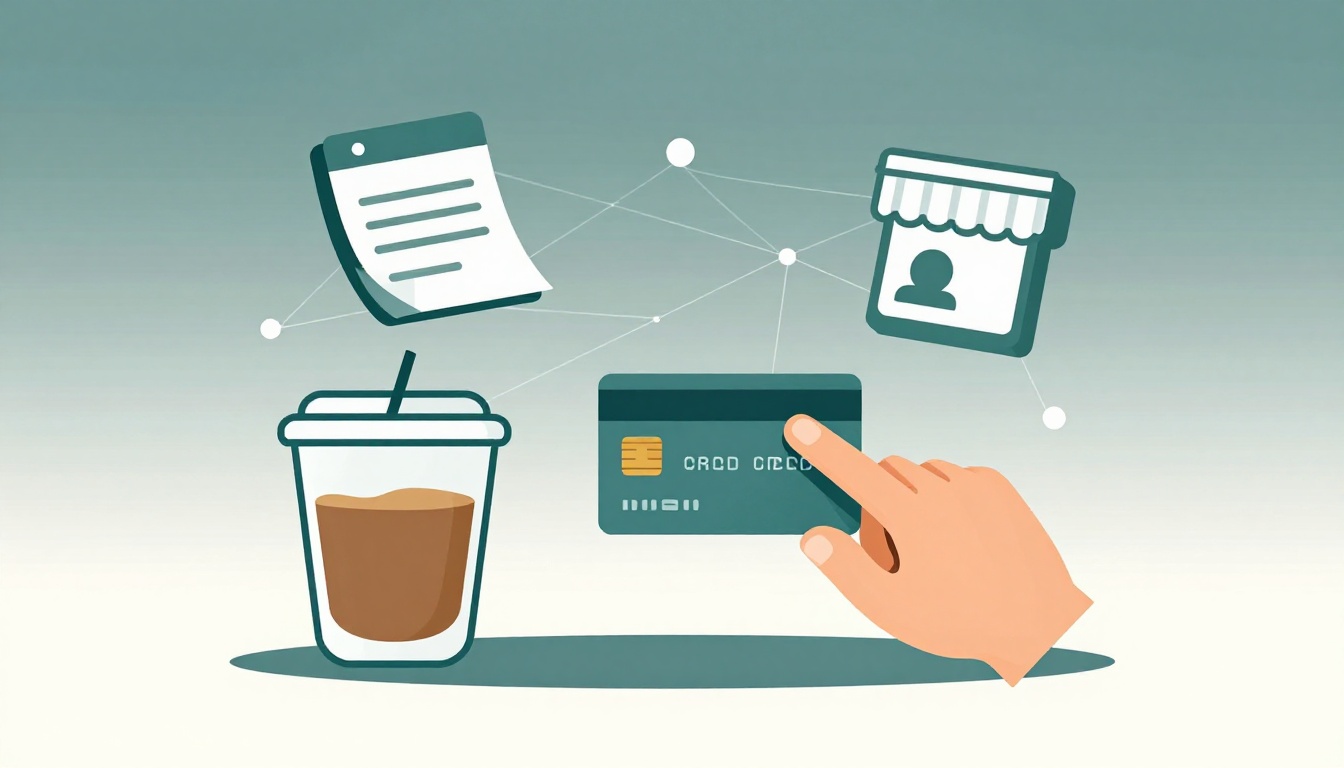
Ever swipe a card at a coffee shop and wonder where the “extra” cost goes? That extra line item is often a transaction fee. In simple terms, it’s a small charge for moving money from one place to another, usually through a trusted payment system.
Here’s the part people miss: a transaction fee doesn’t always come from your pocket. Sometimes the merchant pays it. Other times, you pay it directly. It depends on how the payment happens, who asked for the transfer, and what network does the heavy lifting.
In this guide, you’ll learn what transaction fees are, how they’re calculated, and why they exist. You’ll also see common scenarios for cards, bank transfers, crypto, and stock trades. Then you’ll get practical tips to reduce fees, especially if you run a small business or pay often by card.
Let’s start with how these fees actually work day to day, using 2026 pricing and payment patterns as context.
How Transaction Fees Work in Everyday Payments
A transaction fee is what payment networks and payment providers charge to process a transfer securely. Think of it like a “safe delivery” fee. The money still moves, but someone has to verify it, route it, and reduce fraud risk.
Even though the labels vary, most fees fall into a few common pricing styles. Payment providers combine network charges, fraud screening costs, and their own service fees. That’s why you’ll see different rates for in-person card payments versus online checkout.
Here are the three most common ways transaction fees are calculated:
- Percentage fees: A set percent of the sale or transfer amount.
Example: 2% of $100 = $2. - Flat fees: A fixed dollar amount per transaction.
Example: $0.30 per purchase. - Hybrid fees (percent + flat): The most common mix.
Example: $0.25 + 1.5%.
For credit cards, businesses often face about 1.5% to 3.5% per transaction (sometimes broader in real life). You’ll also see “flat plus percent” pricing from processors, like “2.9% + 30¢” for online payments. If you want a clearer breakdown of what those numbers mean, see credit card processing fees explained.
So what are fees actually paying for? Usually, several things happen in the background:
- Security checks to reduce fraud and stolen card use
- Payment routing across card networks and banks
- Risk handling (like chargebacks and dispute costs)
- Provider operations for approvals, settlement, and customer support
In other words, transaction fees are rarely “random.” They track the cost of processing payments safely at scale.
Quick Examples from Shopping and Transfers
Let’s make the math feel real with simple examples. Imagine a merchant pays a fee when a card sale clears. You won’t always see it on your receipt, but it shows up indirectly.
Credit card swipe (in-person):
Many card-processing deals land around 0.5% to 5% total, depending on card type and how you pay. A common real-world pattern is roughly 1.5% to 3.5% for many businesses.
On a $100 purchase, that could look like:
- 2% = $2
- 3% = $3
If the processor also adds a small flat fee, like 30¢, then the total might be closer to $2.30 or $3.30.
Online card buys:
Online sales often cost a bit more because fraud risk is higher. So you might see a rate like 2.9% + 30¢. On a $50 order:
- 2.9% of $50 = $1.45
- plus $0.30 = $1.75 total in fees
ACH bank payments (US):
ACH is the “bank-to-bank” transfer system many people use for direct deposit and bill pay. Fees are often low. Some banks charge almost nothing for ACH, while others charge small per-item fees.
The key point: even when fees are small, they can add up if you run a business that processes many payments.
If you want a plain-language look at typical card fee ranges and how they compare across brands, this average credit card processing fees (2026) breakdown can help you sanity-check the numbers.
Next, let’s tackle the big question: who pays the transaction fee?
Who Pays the Transaction Fee? It Depends on Where You’re Paying
Here’s the honest answer: transaction fees don’t have one fixed owner. The “payer” changes based on payment method.
A helpful way to picture it is this: sometimes the fee gets billed to the sender, and sometimes it gets built into the business price. In other words, you might pay indirectly even when the receipt doesn’t show the fee.
In many everyday situations, the money trail looks like this:
- Cards: the merchant usually pays the processor, then prices adjust
- Bank transfers and wires: usually the sender covers outgoing charges
- Crypto: the sender pays network fees (gas)
- Stocks: you pay any trade fees your broker charges, often $0 for basic trades
Let’s break down the most common cases.
Merchants and Credit Cards: Usually the Store’s Tab
When you pay with a credit card, the transaction fee usually lands on the merchant. In most setups, the store pays the card network and the payment processor for authorization and settlement.
A typical merchant cost can be around 2.5% + $0.30 for card payments, though your exact rate depends on the processor and whether the purchase is in-person or online. That’s why small businesses sometimes care a lot about card acceptance. A lot of small sales can create a real cost, even if each fee feels tiny.
So why don’t you see the fee on your card receipt? Because the merchant doesn’t itemize it for you. Instead, it gets absorbed into:
- the product price
- the overall margin
- monthly costs and budgeting
This also explains why some stores steer customers toward cash or cheaper payment options. It’s not always “extra profit.” Sometimes it’s just a way to reduce transaction fees the business pays.
Recent pricing trends also show businesses using clearer fee models and more secure payment methods. Secure payments often mean fewer fraud losses, which can reduce the pressure to raise prices.
Bank Transfers and Wires: Sender Pays Upfront
For bank transfers, the payer is usually simpler. Outgoing fees typically come from the person or business initiating the transfer.
ACH transfers:
ACH often costs little, especially for everyday payments like bills and direct deposit. But banks can still charge small amounts based on account type and transfer volume.
For a business-friendly explanation of how ACH works and what it’s used for, check ACH payments 101.
Wires:
Wires are faster and usually more expensive. Many banks charge a fee just to send a wire. A receiving wire may be free at some banks, but it’s not guaranteed.
Bankrate has a clear look at how wire transfer fees work, including the fact that cost structures vary by bank and by whether you send or receive.
Here’s the usual pattern in real life:
- You initiate the transfer, so you pay the outgoing fee.
- If the receiving side faces a charge, the receiver may pay it, or you may split costs.
Some international wires also come with FX markup and different “fee responsibility” options. In practice, you can end up paying more when both banks take charges.
Crypto and Stock Trades: You Pay to Speed Things Up
Now let’s switch to payments where the sender usually pays the transaction fee directly.
Crypto fees (gas):
On many blockchains, the sender pays the network fee. That fee goes to validators or miners who process and secure the transaction.
Depending on the chain and how busy it is, gas fees can be low or spike fast. Layer 2 networks often keep costs down compared to main chain fees. Still, network congestion can change prices within minutes.
Stock trades:
For stocks and ETFs, many US brokers offer commission-free basic trades, meaning your “fee” might be $0. But some transactions cost extra, like certain options trades, margin activity, or special regulatory fees.
So the practical answer is:
- For crypto, expect the sender to pay the transaction fee.
- For stocks, check your broker’s fee schedule, because “$0 trade” doesn’t always mean “no fees at all.”
Why Fees Stick Around and How to Keep Them Low
Transaction fees exist because payment systems are expensive to run safely. Networks must verify identity and approve transactions. Providers must build fraud checks, handle chargebacks, and keep uptime high.
Also, fees often reflect risk. Online card payments carry higher fraud risk than tap-to-pay. Wires carry higher cost to banks because speed and compliance requirements are higher.
In 2026, the main fee pressure points look like this:
- Card fees still push merchants to negotiate rates, especially as more processors compete.
- Crypto network fees stay tied to congestion, so costs can swing quickly.
- Bank fees depend on account type, and some banks waive certain fees for premium plans.
If you want to keep more of your money, here are practical moves that actually help.
- If you’re a merchant, compare processor pricing models (percentage, flat, or interchange-plus).
The “same headline rate” can hide different add-ons. - Use lower-fee payment types when it fits your customers.
For example, ACH can cut costs compared to cards for bill pay. - Ask about interchange-plus or clearer reporting.
Some providers show more detail, which makes negotiation easier. - Batch transactions when possible.
Some systems charge per item, so grouping payments can reduce repeated fees. - For individuals, choose fee-light options where they match your goals.
ACH for bills, cards for rewards, and wires only when you truly need speed.
If you’re running a small business and want a grounded view of typical card fee ranges and components, this small business guide to credit card processing fees is a useful reference.
The bottom line is simple: you can’t always avoid transaction fees. But you can control how often you pay them and which method you choose.
Conclusion: Who Pays the Transaction Fee Changes by Payment Type
That coffee card swipe you thought was “just a swipe” is really a handoff between multiple parties. A transaction fee is the charge that helps the system move money safely, and the payer changes by method.
Cards usually mean the merchant pays the fee, then pricing often reflects it. Bank transfers and wires usually place outgoing fees on the sender. In crypto, the sender typically pays network gas directly.
Your best next step is to look closely at the payment method you use most. Check receipts and payment screens for fee hints. If you own a business, compare processor offers instead of accepting the first quote.
When you understand who pays the transaction fee, you stop guessing and start keeping more money in your pocket. What payment method do you use most, and who seems to “pay” the cost in your real life?