Digital payments are convenient, but they can quietly drain your budget. One reason is credit card fees can run around 1.8% on average for merchants, and those costs often sneak into prices over time. Plus, foreign transactions can add another 1% to 3% (sometimes up to 5%) when you shop or travel abroad.
In 2026, the good news is you have more options than ever. Digital wallets and open banking (A2A transfers) are growing fast in the US, so you can pay in ways that cost less. Digital payments cover a lot too, like paying in apps, buying online, and tapping with your phone.
If you’re trying to minimize costs paying digitally, you don’t need a full money makeover. You just need to spot the biggest fee leaks and choose smarter payment paths for the situations you use most.
A helpful way to think about it: if you reduce even one fee “leak” by $10 to $50 a month, that’s about $120 to $600 a year, which lines up with why many people see around $500 yearly once they fix the worst offenders.
Next, you’ll learn how to spot the fees that matter most, switch to lower-fee payment methods you already recognize, and use rewards (cashback and AutoPay) to get paid back while you spend.
Spot the Common Fees Draining Your Digital Wallet
Ever wonder where that extra charge came from? Often, it’s not one “mystery fee.” It’s a mix of payment costs that stack together: card network costs, foreign transaction add-ons, processing markups, and charges triggered by failed or late payments.
In 2026, searchers are especially focused on digital payment fees 2026 because wallet adoption keeps rising. In the US, about 69% of adults used a digital wallet in the past 30 days, and 31.2% use them weekly in stores. That shift matters because wallets can help you avoid certain cost drivers.
Here are the main fee types to watch.
| Fee type | What triggers it | Typical US range (consumer impact) |
|---|---|---|
| Credit card interchange (via pricing) | You pay with credit instead of debit | Around 1.8% average (varies by card type) |
| Foreign transaction fee | You buy abroad or in foreign currency | Usually 1% to 3%, sometimes up to 5% |
| Extra processing costs (merchant side) | You buy online, disputes happen, or payment is declined | Varies widely by provider |
| Late charges after failed payments | AutoPay fails or a bill posts late | Varies by biller (often $25+) |
The table shows “typical ranges,” not exact charges on your receipt. Still, these numbers explain why switching payment types can reduce your overall costs.
To ground this, here’s a useful reference for average card processing fees: Average Credit Card Processing Fees (2026) from WalletHub.
Also, quick habit check: review your statements monthly. Look for foreign purchase categories, sudden fee lines, and any repeated declines. Those patterns tell you where money leaks start.
Interchange and Credit Card Traps to Avoid
Credit and debit can feel similar in daily life, but the fee math is different. Credit card costs are usually higher because merchants pay interchange, and those costs can flow into pricing.
From recent 2026 reporting, the average credit card interchange fee in the US is about 1.8%. Rewards and premium cards tend to push rates higher than basic cards. Debit, on the other hand, is often much cheaper for merchants, with average costs around 0.5% and caps that keep it from going too high.
Here’s the trap: you might use credit for convenience, then repeat it across groceries, online orders, and subscriptions. It adds up.
Now, you may ask, “If I use a wallet, doesn’t it still use my card?” Sometimes yes, but wallets also give you control. Many wallets let you pick debit for everyday spending. That one choice often reduces the pressure that comes from higher credit interchange.
Also watch for Visa changes in 2026. Recent updates show ongoing shifts in interchange rate structures and merchant programs, including changes tied to e-commerce, small-ticket transactions, and data programs. The practical takeaway is simple: payment terms keep changing, so re-check how your wallet is set up now, not later.
Tip: if a subscription charges “credit” but you want to cut costs, go into your billing page. Switch to debit funding through your wallet when the option exists.
Foreign Exchange and Hidden International Charges
Foreign transaction fees are one of the easiest costs to avoid, because the trigger is clear. You’ll pay extra when you buy outside the US, or when the merchant charges in a foreign currency.
Recent US credit card fee reporting puts foreign transaction fees at about 1% to 3%, and in some cases up to 5%. That means a $1,000 international purchase could add around $10 to $30 (or more) just from the foreign fee.
Example: if the fee is 3%, the extra cost is:
- $1,000 x 0.03 = $30
That fee can show up even if you used your card in the US, like when you buy from a foreign seller or a marketplace that routes the transaction internationally.
Your best defense:
- Prefer payment options that don’t stack a foreign fee on top of currency conversion.
- If a card says “no foreign transaction fees,” double-check that promise in the card terms.
Choose Low-Fee Payment Methods That Actually Save You Money
Switching payment methods works best when you match the method to the situation. Online shopping doesn’t need the same path as paying a utility bill. And travel shouldn’t rely on the same setup as your weekly grocery run.
In 2026, more people are also choosing wallets first. That makes sense because wallet payments are fast, and they reduce card exposure. But the bigger win for cost control is routing. Some paths route through cheaper rails than credit.
You want low-fee digital options for daily life:
- Digital wallets with debit funding
- Open banking A2A for bills and transfers
- Debit network payments for quick in-person buys
Here’s an example of how costs differ on the merchant side, using recent ranges. Your exact experience can vary, but the direction is consistent.
| Payment method (common use) | Typical merchant cost range | What you should notice |
|---|---|---|
| Credit card (everyday) | Around 1.8% average | Often higher than debit |
| Debit (everyday) | Around 0.5% average (with caps) | Usually cheaper than credit |
| Open banking A2A transfers | Often 0.1% to 0.5% | Can be close to “near-zero” for repeats |
The point isn’t that you directly pay “merchant fees” on your receipt. The point is that cheaper payment rails often mean fewer cost drivers that flow into pricing.
Digital Wallets: Apple Pay, Google Pay, and PayPal Hacks
Digital wallets can cut costs when they replace credit with debit. They also reduce friction. That matters because you stick with the plan if paying is easy.
Here’s a practical wallet approach:
- Set your wallet’s default funding to debit for daily spending.
- Keep a separate credit card for purchases that need dispute power.
- For online shopping, use the wallet button when it’s available.
If you want help comparing wallet options, PCMag keeps updated lists. You can start with the best mobile payment apps PCMag tested.
Also, watch for app-only promos. Many wallet or merchant apps offer sign-up bonuses, limited-time cashback, or extra savings on specific categories like groceries and utilities. Those deals don’t just offset the cost, they can make digital payments feel like a budget tool.
Mini-habit: every time you add a new card to your wallet, check whether it’s set to credit or debit.
Open Banking and Account-to-Account Transfers
Open banking A2A transfers (bank-to-bank) can be one of the cheapest ways to pay, especially for bills and recurring spending. The idea is simple: money moves directly from one account to another using banking rails, not card networks.
Recent analysis notes that A2A can be cheaper because it skips card networks. It can also settle quickly, which reduces failed payment attempts.
The US still has growth headroom compared to places like the UK, but the direction is clear. More consumers are trying bank transfers when they want predictable costs and fewer payment retries.
A helpful reference for lower-fee bank transfer approaches is Send Money with ACH using Wise. Even if you use it for international transfers, the core idea applies: bank rails can avoid markup layers that come with cards.
How to use this at home:
- Pay recurring bills via bank transfer when your provider supports it.
- For shared expenses, use an A2A option instead of pushing everything through credit.
Debit Networks for Quick In-Person Savings
If you pay in person most days, debit can be your low-cost default. Some debit transactions are cheaper for merchants, and you avoid credit interchange pressure.
Use this rule:
- For small, frequent buys, stick to debit through your wallet.
- For big purchases, compare options case by case.
Also, choose methods that reduce failed payments. A failed transaction can lead to retries, temporary holds, and extra time. Those problems often trigger late fees later.
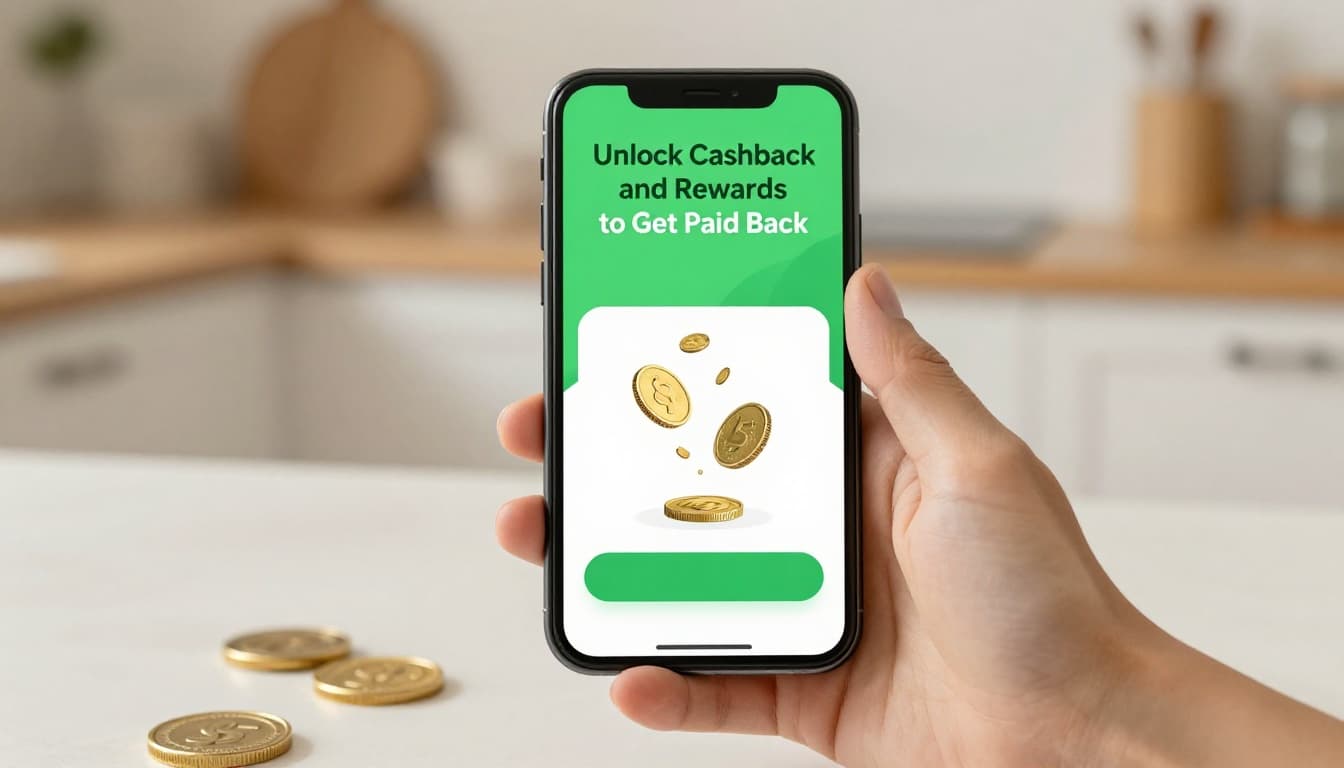
Unlock Cashback and Rewards to Get Paid Back
Rewards don’t help much if you only earn points you never use. But when cashback is real, it’s like getting a discount after the fact.
This is where cashback digital payments can turn into a budget win. In 2026, cashback apps and embedded offers continue to grow. Rates vary by app, store, and category. Still, many popular cashback apps offer returns in a wide range, sometimes several times higher than a basic card rewards program.
The simplest plan:
- Use cashback for categories you buy anyway.
- Keep the earning method tied to your normal payment habits.
- Track it in one place so you don’t miss payout deadlines.
Best Apps for Everyday Cashback Deals
Cashback apps usually work in one of two ways:
- You link cards and earn when you buy
- You scan receipts for deals
The best app depends on how you shop. For in-store purchases, receipt scanning can work well. For online shopping, linked offers can feel more automatic.
For a starting point on US cashback apps, see ShopBack’s guide to best cashback apps in the US (2026).
Now, keep it simple with a “one app per category” approach:
- Pick one app for groceries or household items.
- Pick one for online shopping.
- If you drive a lot, add a gas-focused option.
Then, check your rate weekly. Cashback offers change often. You don’t want a “ghost app” that looks active but pays nothing.
Set Up AutoPay for Bonus Rewards and No Lates
AutoPay is a money-saving tool even if you never earn rewards. It helps you avoid the fees that show up after a missed payment.
In addition, some issuers and billers attach rewards bumps to AutoPay. The rewards might be small, but they matter when paired with fee reduction.
Two ways to set it up smart:
- Make sure your funding account has enough buffer for the month.
- If your payment date changes, update it right away.
Bottom line: AutoPay stops late fees, and late fees often cost more than any cashback you earn.
Dodge International Fees and Pro Hacks for 2026
International spending is where digital payments can get expensive fast. It’s not just the item price. It’s the routing, exchange conversion, and foreign transaction fees.
In 2026, you can avoid international fees digital payments 2026 by using local rails abroad and cheaper transfer methods when possible. Another angle is to reduce payment failures and declines. Those events can cause retries and extra processing layers.
Also, payment tools keep improving. Fraud tools and “smart routing” can lower declines, which helps you avoid the ripple effect that leads to late fees.
Local Wallets and Open Banking for Cross-Border Wins
When you’re abroad, local payment methods often cost less than US credit cards. If the merchant supports it, try local wallets or debit options tied to bank accounts.
For longer-distance spending, consider open banking A2A options instead of card networks. A2A can help for:
- Paying people you hire internationally
- Paying digital services with a bank transfer option
- Moving money between your own accounts
A quick sanity check before you travel:
- Confirm whether your card has foreign transaction fees.
- Set your wallet defaults to debit where possible.
- Avoid “cash advance” style transactions, since those often carry extra costs.
Processor Switches and AI Tools for Extra Cuts
The most advanced cost saves are usually invisible. They happen when merchants process payments with better fee structures, and when payment providers reduce declines and retries.
As a consumer, you can still get benefits from these changes. How?
- Use checkout options that support digital wallets and A2A where available.
- Prefer merchants that accept modern payment types.
- Use saved-payment options (wallet or bank transfer) to reduce failed attempts.
If you run your own business, you can go further with “interchange-plus” pricing and better routing. But for most people, the practical move is simpler: choose the payment method that asks for debit or bank transfer first.
Another easy win: for subscriptions, make sure the billing method won’t downgrade your account in a way that triggers extra charges. When apps or card issuers change terms, you want your payment setup to keep working.
Finally, keep a monthly fee audit. Look at your bank and wallet statements. Check for foreign transactions, repeated small charges, and any declined-payment events. That’s where savings start.
Conclusion: Make One Switch This Week
If digital payments feel like they “cost more,” you’re not imagining it. The fee drivers are real, especially credit interchange and foreign transaction fees. The fix usually comes down to one habit, choosing cheaper rails more often.
Start small. Audit one payment this week, then switch your default funding for daily buys to a low-fee method (often debit in a wallet). If you spend abroad, adjust your setup before you travel.
Your wallet can’t send money to the wrong place if you set it up right. And when you reduce those leaks, the savings stack up fast.
Want to keep going? Pick one bill or one online checkout this week and choose the lower-fee option. Your wallet thanks you.